
Al-Baik: Saudi Arabia’s Famous Fast Food Restaurant in Makkah
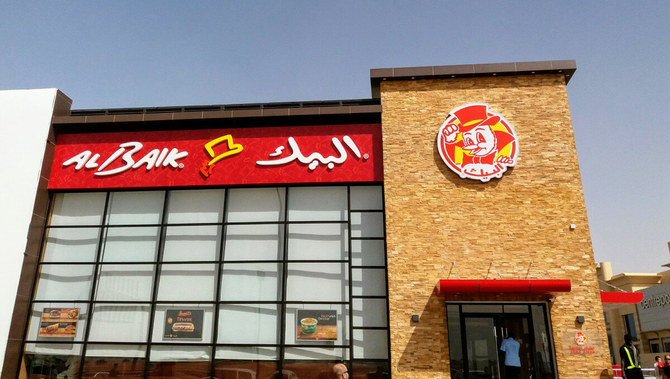
If you’ve ever stood outside the Grand Mosque in Makkah after Isha prayer, you’ve probably noticed it — a steady stream of people walking out carrying the same red-and-white paper bag, chicken logo printed on the front, garlic sauce packet tucked inside. That’s Al Baik, and in Makkah, it’s not just a restaurant. It’s practically part of the pilgrimage experience itself.
For millions of visitors who arrive in the city every year for Umrah and Hajj, Al Baik Makkah branches become a daily stop, sometimes more than once a day. This piece looks at why that happens, what actually makes the food worth the hype, and what first-time visitors should know before they order.
A Restaurant That Feeds a City on Its Busiest Days
Makkah is unlike almost any other city on earth in terms of foot traffic. On a normal week, the population swells with pilgrims from every corner of the globe, and during Ramadan or Hajj season, that number multiplies many times over. Feeding that many people, reliably and affordably, several times a day, is no small operational challenge — and it’s exactly the challenge Al Baik has built its Makkah business around.
Branches near the Haram are designed for speed. Staff move through orders quickly, seating is functional rather than fancy, and the whole experience is built around getting a hot meal into a tired pilgrim’s hands as fast as possible. That’s not an accident. After hours of Tawaf, Sa’i, or standing through long prayers, most visitors aren’t looking for a leisurely sit-down dinner — they want something familiar, fast, and satisfying, and Al Baik chicken consistently delivers on all three.
What’s Actually on the Menu
The Al Baik menu in Makkah hasn’t changed dramatically over the decades, and regulars will tell you that’s exactly the point. The core lineup includes:
- Broasted chicken — available as full or half portions, in original or spicy variants, using the brand’s signature pressure-frying method that keeps the coating crisp and the meat juicy
- Fish fillet sandwich — a lighter option for anyone who wants a break from fried chicken
- Shrimp — a less common menu item that still has a loyal following among regulars
- The Big Baik sandwich — a favorite for pilgrims who want something quick and easy to eat on the move
- Garlic sauce (thoum) — technically a side, but treated by most customers as a non-negotiable part of every order
None of this is complicated, and that’s the appeal. There’s no sprawling menu to scroll through, no confusing combo system — just a handful of items done consistently well, order after order, year after year.
What It Costs (And Why That Matters for Pilgrims)
One of the biggest reasons Al Baik price points matter so much in Makkah specifically is the sheer number of budget-conscious travelers passing through the city. Pilgrims often arrive in large family groups or with tour groups, and feeding everyone three times a day adds up fast if every meal is expensive.
A standard broasted chicken meal in Makkah remains significantly cheaper than what most international fast-food chains charge for a comparable meal, which is a major reason it has become the default option for group meals. Large families, in particular, tend to order in bulk — several chicken pieces, a stack of sandwiches, extra garlic sauce — because it’s one of the few ways to feed a big group without blowing through a travel budget.
Timing, Crowds, and Practical Tips
Anyone searching Al Baik near me for the first time in Makkah should be ready for lines, especially around Iftar during Ramadan or right after major prayer times. A few practical tips that longtime visitors tend to share:
- Avoid ordering right after Maghrib during Ramadan if you can, since that’s when queues are longest
- Late-night visits tend to be calmer, since many branches near the Haram operate well into the night to serve pilgrims on irregular schedules
- Delivery is available in most cases now, so if you’re staying at a hotel a short distance from the Haram, ordering in can save the wait entirely
- Cash and card are both accepted at most locations, though having smaller notes speeds things up during peak hours
Why Al Baik Earned This Level of Trust
Trust is really the core of the story here. Saudi Arabia’s food scene, like anywhere else, has plenty of options — but for a brand to become the default choice for millions of people from wildly different countries and cultures, arriving with wildly different expectations, takes more than good marketing. It takes consistency.
Every Al Baik branch near the Haram serves the same broasted chicken recipe, the same garlic sauce, prepared to the same standard, whether you’re ordering at 2pm or 2am. For travelers who may not speak Arabic, aren’t familiar with the city, and are often physically exhausted from days of worship and travel, that predictability is worth more than a fancier menu ever could be. You know exactly what you’re getting, every single time.
A Brand Bigger Than Just Makkah
While this piece focuses on the Makkah experience specifically, it’s worth remembering that Al Baik Saudi Arabia operations extend well beyond the holy city — branches across Al Baik Jeddah, Al Baik Madinah, Riyadh, Dammam, and increasingly international markets have all grown from the same founding philosophy. But Makkah remains, in many ways, the emotional core of the brand. It’s where most first-time visitors form their opinion of Al Baik, and it’s where the connection between the food and the pilgrimage experience runs deepest.
For the Al Baik owner family and the wider Al Baik International operation, that emotional connection is arguably more valuable than any advertising campaign could ever be — a reputation built one tired, hungry pilgrim at a time, for nearly fifty years.
A Brief History Behind the Brand Everyone Trusts
Understanding why Al Baik commands this level of loyalty in Makkah requires a quick look back. The chain was founded in 1974 in Jeddah by Shakour Abu Ghazalah, who built the business around a specific pressure-frying technique — known locally as “broasting” — combined with a proprietary spice blend that gave the chicken its distinctive crust and flavor. After the founder’s passing in 1976, his sons took over and expanded the business, eventually opening branches in Makkah and Madinah, which is how the chain became so deeply woven into the pilgrimage experience in the first place.
Unlike most fast-food success stories, Al Baik grew almost entirely through word of mouth rather than advertising. For years, it barely expanded beyond Jeddah, Makkah, and Madinah, and even now, decades later, those three cities remain the heart of its operations. That slow, deliberate growth is part of why the Makkah branches, in particular, still feel like they’re serving a genuine community rather than running a franchise playbook.
How Al Baik Handles Hajj-Season Crowds
Anyone who has experienced Hajj season firsthand knows that ordinary restaurant operations simply don’t scale to those crowd levels without serious planning. Al Baik’s Makkah branches, along with additional outlets set up specifically in Mina during the days of Hajj, run on a completely different operational tempo during peak season — extended hours, larger staff rotations, and streamlined ordering systems designed to move enormous volumes of orders without sacrificing the consistency the brand is known for.
This is where the brand’s narrow menu genuinely pays off. A restaurant trying to manage dozens of menu items during a crowd surge of this size would struggle to maintain speed or quality. By keeping the offering tight — broasted chicken, a couple of sandwich options, garlic sauce — kitchens can move faster and more predictably, even when the line outside stretches well past the door.
Halal Standards and Food Trust
For a business operating in the heart of the Islamic world’s holiest city, trust around halal sourcing and food handling isn’t optional — it’s foundational. Al Baik’s poultry supply chain is fully halal-certified, in line with Saudi Arabia’s food safety and religious compliance standards, and the brand has built its entire reputation on being a place pilgrims can eat from without a second thought, regardless of which country they’re visiting from.
That matters more in Makkah than almost anywhere else, because the customer base is genuinely global. A family from Indonesia, a group from Nigeria, a solo traveler from the UK, and a Saudi local might all be standing in the same line, and every one of them needs to trust that the food meets the same standard. Al Baik has spent nearly fifty years making sure that trust is never in question.
Comparing Al Baik to Other Options Near the Haram
Makkah has no shortage of restaurants competing for pilgrims’ attention, from international fast-food chains to local Saudi and Middle Eastern eateries. What consistently sets Al Baik apart isn’t exotic menu innovation — it’s the combination of speed, price, and familiarity. International chains often charge noticeably more for a comparable meal, and smaller local restaurants, while sometimes excellent, don’t have the same rapid-service infrastructure needed to handle Hajj and Ramadan crowds efficiently.
For a pilgrim juggling prayer times, physical exhaustion, and a tight daily schedule, that combination of “fast, familiar, and affordable” ends up mattering far more than menu variety. It’s a big part of why, even with dozens of dining options within walking distance of the Haram, so many people default to Al Baik without a second thought.
More Than a Meal: The Emotional Side of the Experience
Talk to enough returning pilgrims and you’ll notice something interesting — people don’t just remember what they ate in Makkah, they remember it as part of the trip itself. A tired evening after a long day of worship, sitting outside with a warm box of chicken and a group of strangers-turned-friends from a completely different country, sharing garlic sauce packets and comparing notes on the day’s rituals. That kind of memory sticks.
It’s a small thing, in the grand scheme of a spiritual journey that means so much to so many people. But it’s also exactly why Al Baik restaurant locations near the Haram have become such a fixture of the Makkah experience rather than just another dining option on a long list. For a lot of visitors, the food becomes tied to the memory of the trip itself — and that’s not something any amount of advertising could ever manufacture.
Frequently Asked Questions
What should first-time visitors order at Al Baik in Makkah? The broasted chicken meal with garlic sauce is the most popular starting point, alongside the Big Baik sandwich for something quicker to eat on the move.
Are Al Baik branches near the Haram open late at night? Yes, most branches close to the Grand Mosque operate long hours, including late into the night, to accommodate pilgrims on irregular prayer and travel schedules.
Is Al Baik expensive compared to other fast food in Makkah? No — it’s generally one of the more affordable options in the city, which is a major reason it remains popular with large family groups and budget-conscious travelers.
Does Al Baik in Makkah offer delivery? Yes, most branches now partner with major delivery apps, making it possible to order without waiting in line during peak hours.
Why is Al Baik so closely associated with Hajj and Umrah specifically? Its branches are concentrated in Jeddah, Makkah, and Madinah — the core cities on the pilgrimage route — so for decades it has been one of the first meals pilgrims eat after completing their rituals.
Is Al Baik in Makkah suitable for large family or group orders? Yes — bulk ordering is common and well-supported at branches near the Haram, with many families and tour groups ordering several chicken pieces and sandwiches at once to feed everyone affordably in a single stop.

